
Barcelona 2026: Inside the UIA World Congress of Architects
The world’s largest architecture gathering comes to the 2026 World Capital of Architecture, and what it means for design, the city and the property markets of Barcelona and Sitges.
Barcelona is the 2026 UNESCO–UIA World Capital of Architecture, and from 28 June to 2 July 2026 it hosts the UIA World Congress of Architects, the discipline’s largest global gathering, expected to bring more than 10,000 professionals and 250 speakers from over 130 countries to the Catalan capital. Held under the theme “Becoming. Architectures for a planet in transition,” the congress places Barcelona at the centre of the international conversation about how cities should be designed, built and lived in over the next century.
Key facts at a glance
- Event: UIA World Congress of Architects 2026
- Dates: 28 June – 2 July 2026
- Theme: Becoming. Architectures for a planet in transition
- Expected attendance: 10,000+ participants and 250 speakers, from 130+ countries
- Convened by: the International Union of Architects (UIA), with the CSCAE and the Col·legi d’Arquitectes de Catalunya
- Designation: Barcelona is the UNESCO–UIA World Capital of Architecture for 2026
Why Barcelona was chosen
Barcelona did not inherit this congress; it won it. The UIA selected the city through a competitive international bidding process in 2021, and 2026 makes Barcelona the first city to host the World Congress of Architects twice, having previously staged it in 1996, the edition widely credited with cementing the “Barcelona model” of urban regeneration in the global professional imagination.
The choice is also calendar-perfect. The year 2026 marks a century since the death of Antoni Gaudí and 150 years since the death of Ildefons Cerdà, the engineer whose Eixample plan still governs how millions of people move through the city. Those two anniversaries (one of a visionary architect, one of a visionary planner) frame the entire programme.
Barcelona as a global architecture capital
Few cities can claim to have exported an urban idea. Barcelona has done it repeatedly. Cerdà effectively invented modern urban planning with his 1859 Eixample, a relentless grid of chamfered blocks designed for light, air and circulation. The 1992 Olympic Games reopened the city to the sea; the 22@ district converted industrial Poblenou into a laboratory for the post-industrial city; and the superilles, or superblocks, have become one of the most studied urban-design experiments in the world. An architecture congress here is never only about buildings: it is about the relationship between design and daily life.
A historical architectural legacy
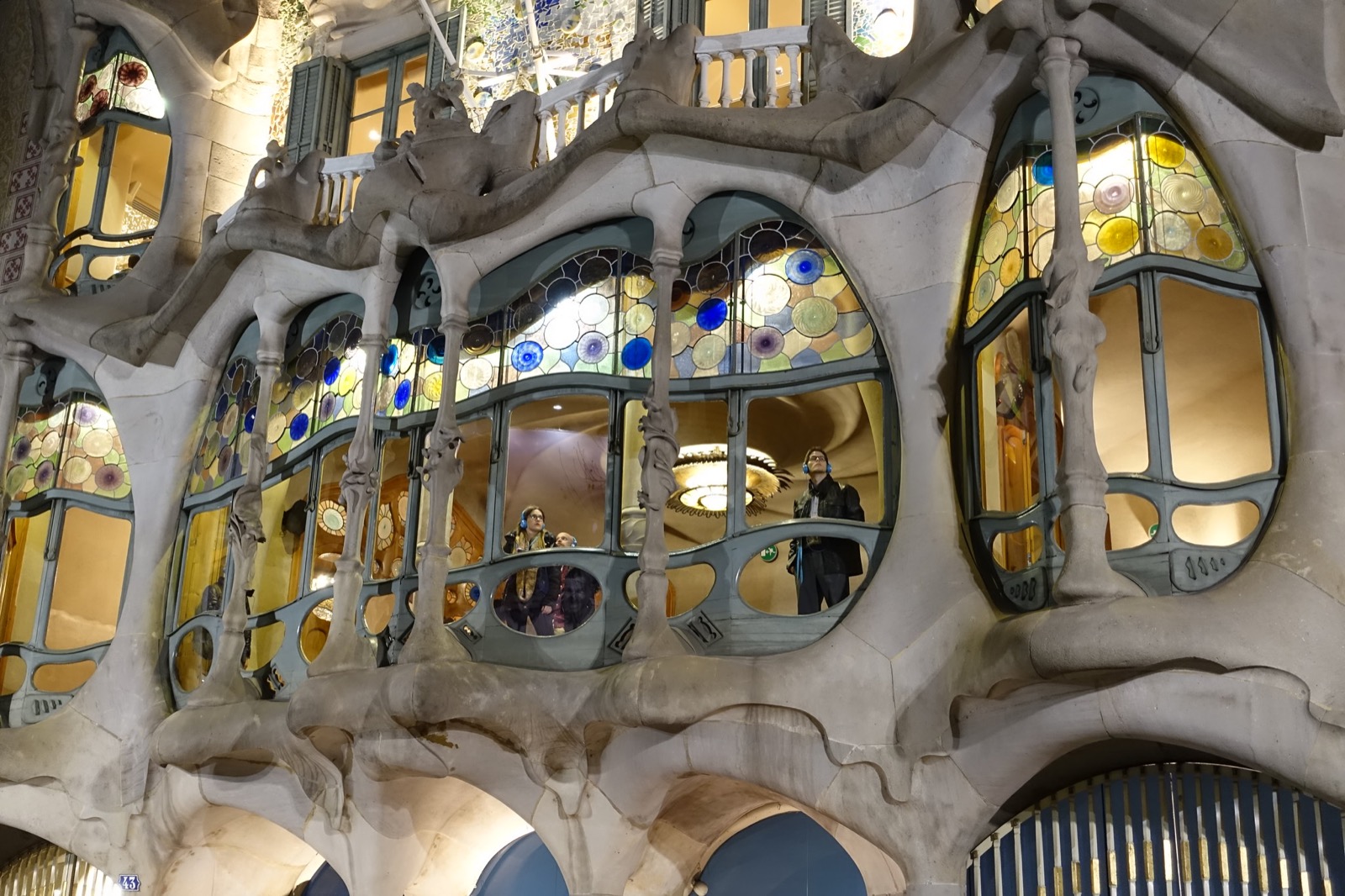
Antoni Gaudí and Modernisme. Gaudí remains Barcelona’s most recognisable architectural signature, and 2026, the centenary of his death, turns the spotlight back on him. The Sagrada Família, Casa Batlló, Casa Milà (La Pedrera) and Park Güell are the high-water mark of Modernisme, the Catalan strand of Art Nouveau. His contemporaries (Lluís Domènech i Montaner, whose Hospital de Sant Pau and Palau de la Música Catalana are UNESCO-listed, and Josep Puig i Cadafalch) gave the city an entire vocabulary of ornament and engineering.
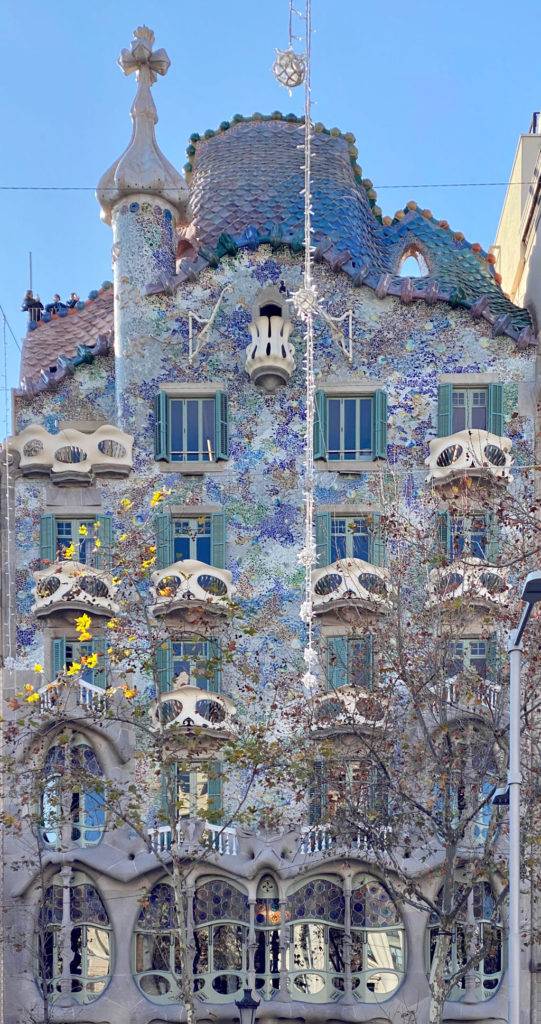
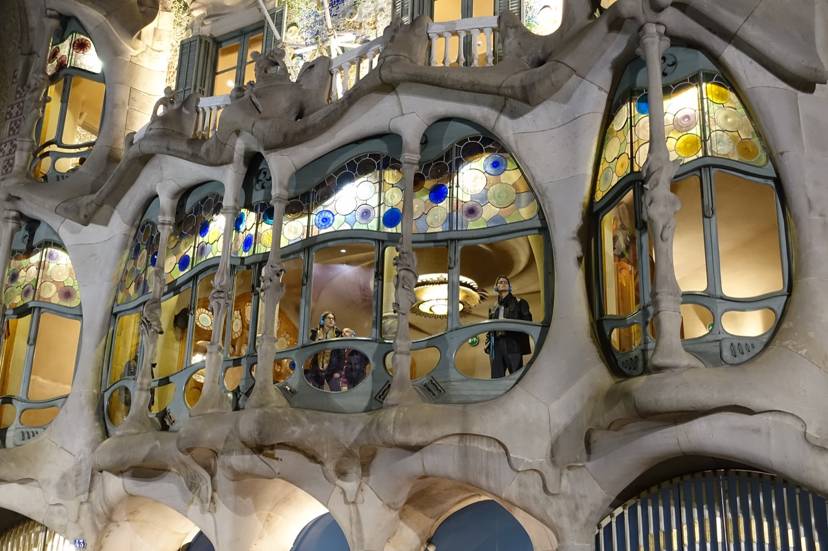
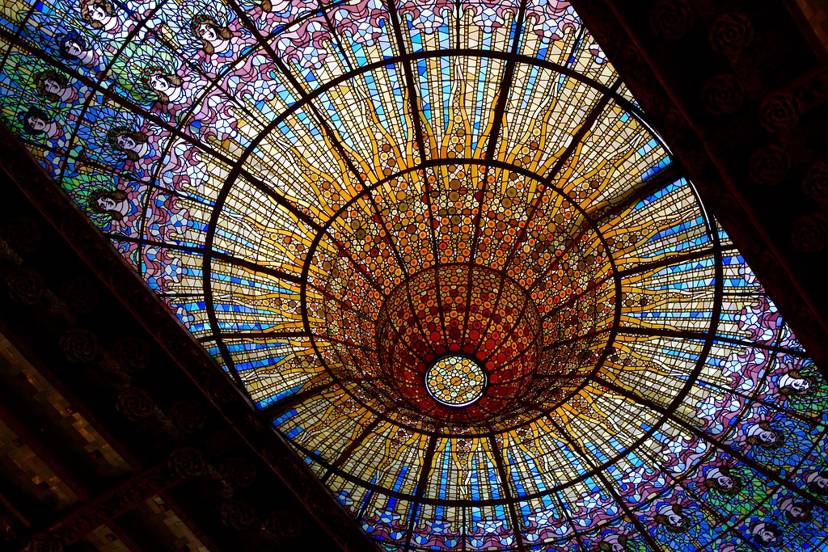
The Eixample and Cerdà. Beneath the Modernista facades runs Cerdà’s grid, the connective tissue of central Barcelona and the reason its most famous buildings sit where they do.
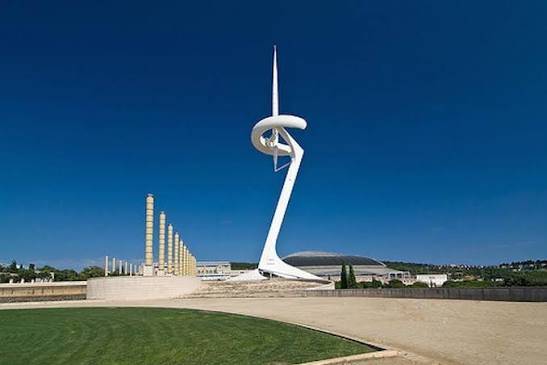
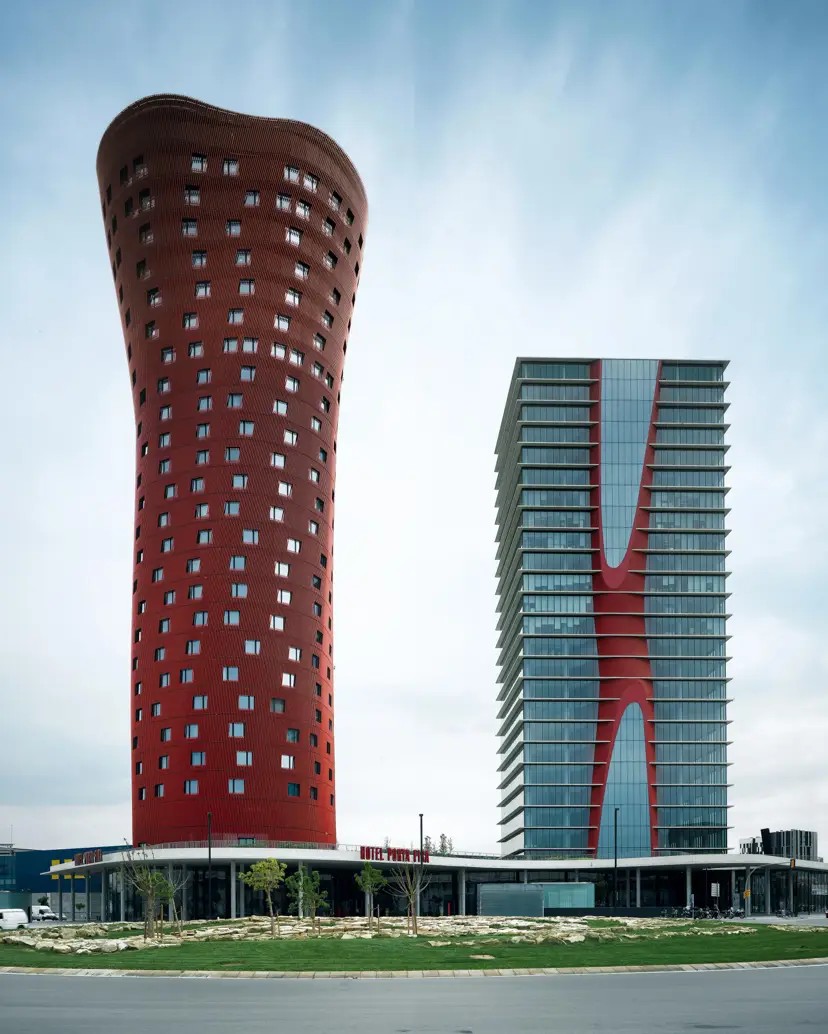
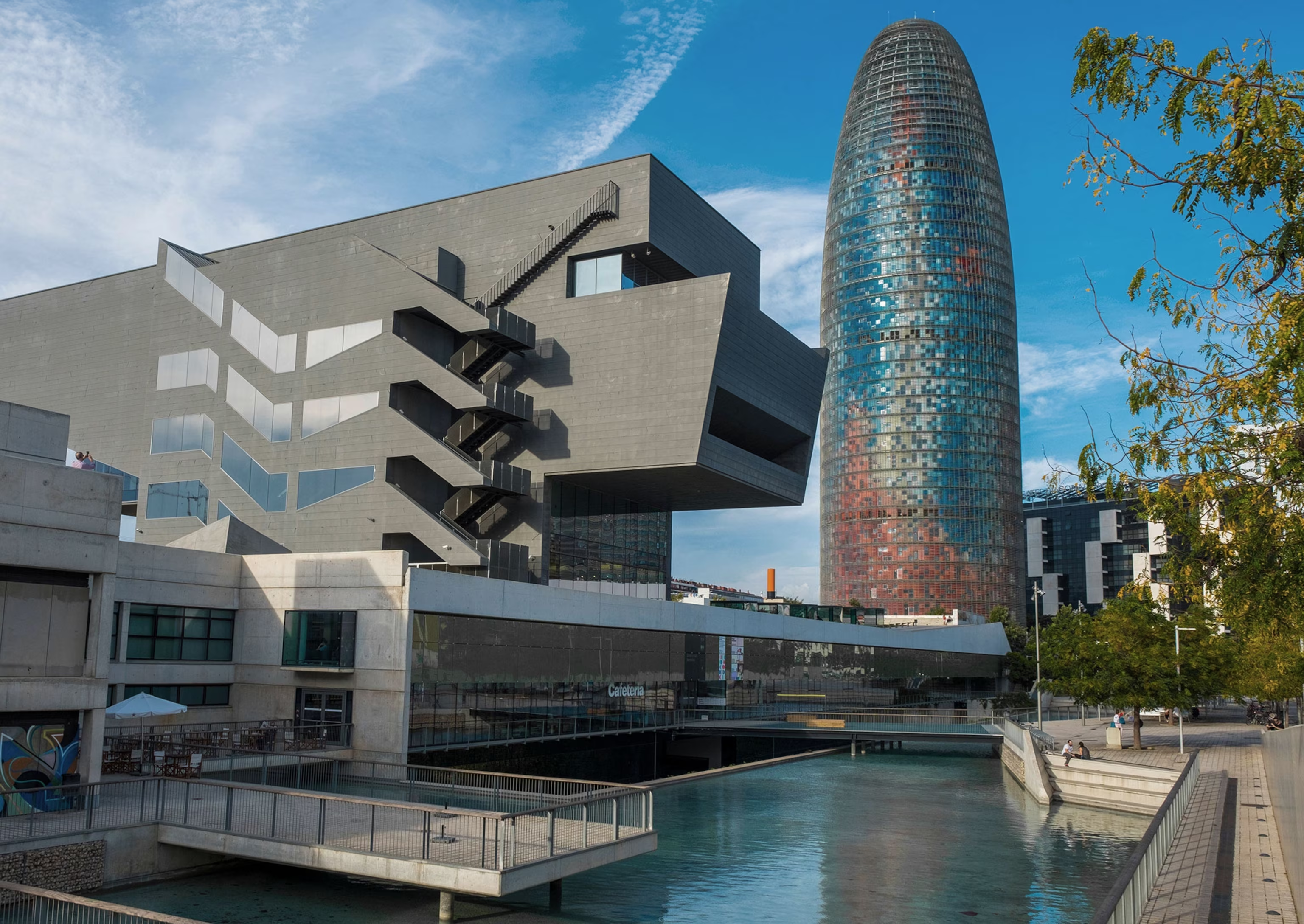
Contemporary architecture and urban innovation. Barcelona’s story did not end in 1926. The 1992 Olympics added Santiago Calatrava’s Montjuïc Communications Tower to the skyline; the decades since brought Jean Nouvel’s Torre Glòries and Enric Miralles and Benedetta Tagliabue’s Santa Caterina Market. International architects have left their mark too: Toyo Ito’s undulating Suites Avenue façade faces La Pedrera on Passeig de Gràcia, while his bright-red Porta Fira Towers twist above the trade-fair district in L’Hospitalet. Even the city’s unbuilt visions are famous: Zaha Hadid’s Torre Espiral, designed for the Besòs edge of the 22@ district, was never completed, yet remains one of the most discussed towers Barcelona never raised.
The 2026 UIA World Congress: programme and themes
The congress runs across several stages of the metropolitan area, anchored at the CCIB on the seafront and extending to the Three Chimneys site, the Disseny Hub and Montjuïc Castle, supported by a 4,000 m² central exhibition and more than 70 curated itineraries. A team of six general commissioners shaped the framework. The theme is explored through six research lines:
- Becoming More-than-human: ecology, ecosystems and climate.
- Becoming Circular: reuse, retrofit and building lifecycles.
- Becoming Embodied: material technologies and construction.
- Becoming Interdependent: housing, public space and spatial policy.
- Becoming Hyper-conscious: data, technology, geopolitics and legislation.
- Becoming Attuned: the poetics, aesthetics and culture of architecture.
Sustainability runs through every line, as does housing, arguably the defining crisis of the European city. Urban planning and future cities appear in the focus on density, mobility and regeneration, while technology and AI surface in the data, computational design and digital-fabrication debates. Practices associated with the congress include Lacaton & Vassal, Shigeru Ban, Amateur Architecture Studio and Smiljan Radić.
Why this matters for Barcelona
A congress of this scale is, first, an economic event: ten thousand visiting professionals over five days fill hotels, restaurants and cultural venues, and the surrounding programme extends that across the whole year. But the deeper impact is reputational and structural, reaffirming Barcelona’s standing as a reference city for design, seeding commissions and standards across the architecture sector, advancing urban regeneration at sites such as Les Tres Xemeneies, and sharpening international attention on a built environment that favours well-designed, well-located and energy-efficient stock. Cities that lead on design and liveability tend to hold value, and Barcelona is using 2026 to lead loudly.
Why it matters for Sitges and the Garraf region
Barcelona’s pull does not stop at the city limits. Just over thirty minutes down the coast, Sitges and the wider Garraf region sit firmly within the metropolitan orbit. A year of intense focus on architecture lifts the profile of the whole region; reinforces the design and sustainability standards buyers already expect; and aligns neatly with a market where much of the most desirable stock is older property in need of careful, value-adding renovation. Our Sitges real estate hub tracks how demand is distributed across neighbourhoods, and our project management and renovation work is built for exactly this kind of sensitive, design-led restoration. If you are weighing a move, our guide to buying a house in Sitges and our Sitges property market report set out the practicalities and the current numbers.
Architecture and real estate: how design shapes value
Architecture is not decoration; it is one of the clearest drivers of long-term property value. In central Barcelona, an authentic Modernista apartment in a prime Eixample block commands a premium because the architecture is irreplaceable. In Sitges, the most resilient values cluster around well-designed seafront and old-town property, and around homes whose renovations respect their period while meeting modern standards. Across the Catalan coast, energy-efficient, well-built homes increasingly outperform tired stock, a gap the sustainability agenda of 2026 will only widen. For a clear, evidence-based view of what your home is worth, our free Sitges property valuation is a sensible first step, and our licensed estate agents in Sitges can advise on positioning a property to the standards an increasingly design-literate market expects.
What international visitors should experience in Barcelona
- Sagrada Família: Gaudí’s unfinished masterwork, more compelling than ever in his centenary year.
- Casa Batlló and Casa Milà (La Pedrera): the twin Modernista landmarks of Passeig de Gràcia.
- Hospital de Sant Pau: Domènech i Montaner’s UNESCO-listed campus.
- Montjuïc: from the Mies van der Rohe Pavilion to the Olympic legacy and the congress gala venue.
- Poblenou and the 22@ district: the post-industrial quarter remade as an innovation hub.
- The waterfront: Torre Glòries, the Fòrum and the Museu Blau trace the city’s twenty-first-century ambitions.
Beyond the icons: quieter gems worth the detour
Delegates with an extra day can step away from the crowds. Lonely Planet’s guide to Barcelona’s architecture points visitors toward three lesser-known Gaudí works:
- Casa Vicens (Gràcia): Gaudí’s very first house, clad in marigold ceramic; UNESCO-listed and open to the public only since 2017.
- Palau Güell (off La Rambla): the 1888 urban palace for Eusebi Güell, with a soaring parabolic central hall and a rooftop of mosaic chimneys.
- Torre Bellesguard (Sant Gervasi): a neo-Gothic villa whose name means “beautiful view,” unusual among Gaudí’s works for its straight lines.
Two tips for congress week: book timed-entry tickets online well ahead for every major Gaudí site; and aim for the first or last slot of the day for the best light and the smallest queues. Many delegates extend the trip to the coast, where a day in Sitges, its Modernista mansions and the church above the sea, is the natural complement to a week of Barcelona architecture.
“Barcelona has always held a special place in the world of architecture. Its influence extends far beyond Catalonia and Spain, inspiring professionals, investors and visitors from every continent. The UIA World Congress represents an important moment not only for the city itself, but also for everyone who values thoughtful urban design, heritage and innovation. We warmly welcome all delegates and visitors and hope they enjoy everything Barcelona and our region have to offer.”
The 2026 UIA World Congress of Architects is more than a professional gathering. It is Barcelona’s invitation to the world to examine, in person, a city that has spent a century and a half arguing that good design and good urban life are the same project. For the wider region, Sitges and the Garraf included, it is a reminder that this stretch of the Catalan coast is shaped by some of the most influential design thinking on the planet.
Frequently asked questions
What is the UIA World Congress of Architects 2026?
It is the largest global gathering of the architecture profession, convened by the International Union of Architects (UIA). The 2026 edition is held in Barcelona from 28 June to 2 July under the theme "Becoming. Architectures for a planet in transition," with more than 10,000 participants from over 130 countries expected.
When and where is the Barcelona architecture congress held?
From 28 June to 2 July 2026, across venues in the Barcelona metropolitan area including the CCIB convention centre, the Three Chimneys site in Sant Adrià de Besòs, the Disseny Hub and Montjuïc Castle.
Why is Barcelona the World Capital of Architecture in 2026?
Barcelona was named UNESCO–UIA World Capital of Architecture for 2026 for its architectural heritage and ongoing urban innovation. The year also marks 100 years since Antoni Gaudí’s death and 150 years since the death of urban planner Ildefons Cerdà.
What is the theme of the 2026 UIA Congress?
"Becoming. Architectures for a planet in transition," explored through six research lines: Becoming More-than-human, Becoming Circular, Becoming Embodied, Becoming Interdependent, Becoming Hyper-conscious and Becoming Attuned.
How many architects will attend the Barcelona congress?
Organisers expect more than 10,000 professionals and around 250 speakers from over 130 countries.
How does the congress affect Barcelona real estate?
Design-led events sharpen international attention on a city’s built environment and tend to favour well-located, well-designed and energy-efficient property, supporting long-term confidence in the Barcelona market.
What does the 2026 architecture year mean for Sitges property?
Sitges sits around thirty minutes from Barcelona within its metropolitan orbit. A year focused on design quality, heritage and sustainability raises the region’s profile and reinforces the standards buyers expect, which suits Sitges’ Modernista villas, townhouses and new developments.
Does architecture really influence property values?
Yes. Build quality, design integrity, location, light and energy performance are among the strongest long-term drivers of value in both Barcelona and Sitges, with authentic period property and well-executed sustainable renovations holding value best.
What should visitors see during the congress?
A classic itinerary spans the Sagrada Família, Casa Batlló, Casa Milà, Hospital de Sant Pau, Montjuïc, Poblenou and the 22@ district, with a day trip to Sitges as a Mediterranean complement. Quieter Gaudí works include Casa Vicens, Palau Güell and Torre Bellesguard.
Who organises the UIA World Congress of Architects 2026?
It is convened by the International Union of Architects (UIA) and organised in Spain by the CSCAE and the Col·legi d’Arquitectes de Catalunya (COAC).