
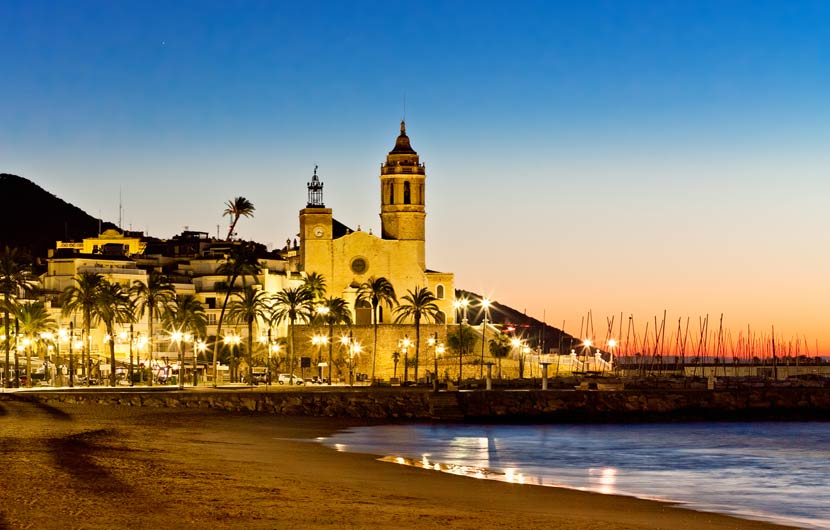
Something shifts in Barcelona in the second week of September, and a visitor would probably miss it. The terraces are still full, the light is still generous, and the sea off Sitges is warmer now than it was in June. But the city changes hands. The summer lets empty, the shutters go up on the family businesses that closed in August, and Barcelona quietly returns to the people who live here.
We think it is the best season of the year, and not only because the weather finally behaves. Autumn is when every institution in Catalonia opens its programme at once, when the Penedès brings in the harvest half an hour from our office, and when the calendar fills with the things Catalans do for themselves rather than for anyone watching. This is what the season looks like this year.
September: The City Takes Itself Back
The turning point is La Mercè, Barcelona's own festival and the largest thing in its calendar. For several days around 24 September the city gives itself over to castellers building human towers in Plaça Sant Jaume, correfocs where devils and dragons run fire through the old quarter, and free concerts in a dozen squares at once. None of it is staged for tourism. It is the patron saint festival of a city of 1.6 million people, and it behaves like one.
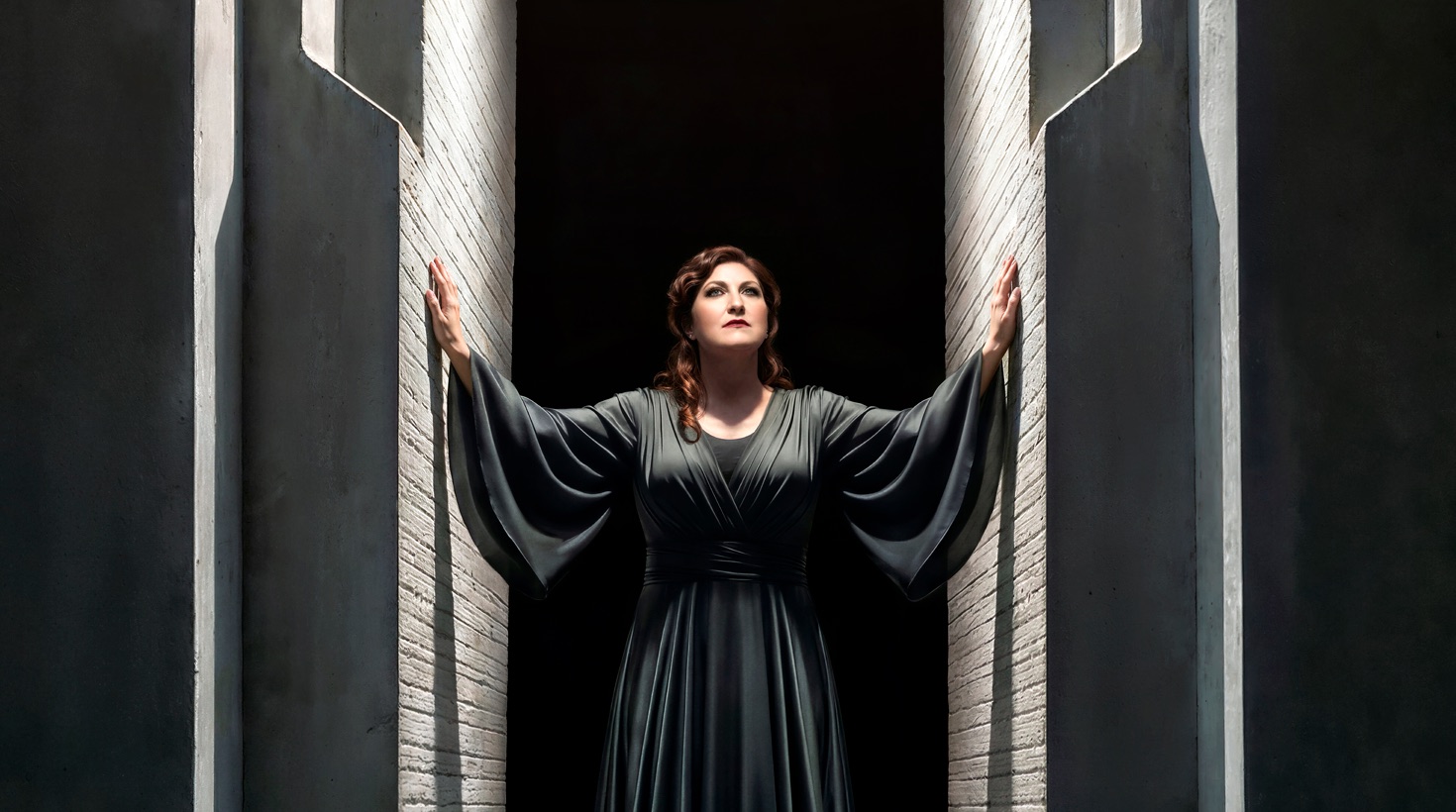
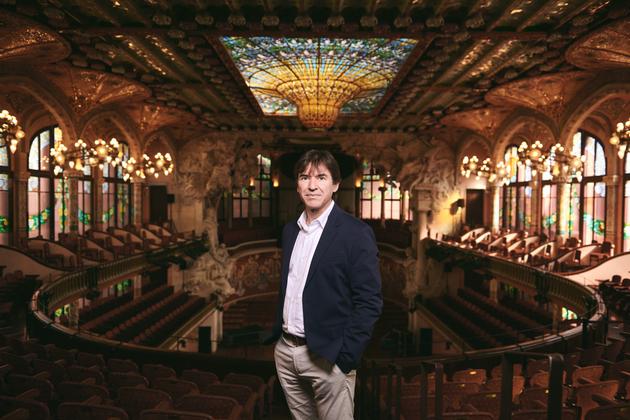
The cultural season opens in the same fortnight. At the Gran Teatre del Liceu, Verdi's Aida raises the curtain on 23 September and runs to 15 October, with the opening night doubling as a LiceUnder35 performance and a live relay on 25 October. Five days later, on 28 September, the Palau de la Música Catalana opens its own season with a homage to Pau Casals: the Orfeó Català and the Orquestra Simfònica del Vallès together under Xavier Puig, in a building that is a UNESCO World Heritage Site and worth the ticket on its own.
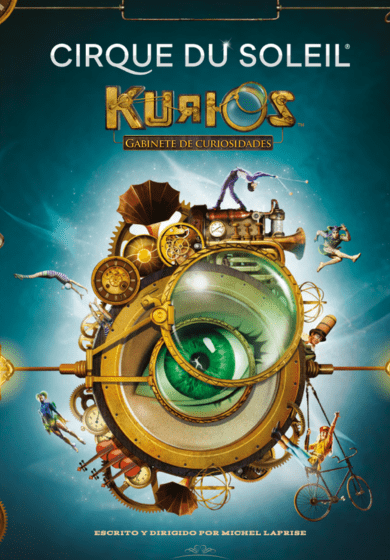
Cirque du Soleil: KURIOS
And under a white big top on the edge of the city, Cirque du Soleil returns to Barcelona with KURIOS: Cabinet of Curiosities, the most inventive show in the company's touring repertoire: a nineteenth-century inventor's workshop where the laws of physics have been quietly suspended. It is the rare spectacle that works equally for a family with children and for an audience that thought it had seen everything.
October: Sitges Belongs to the Cinema
For most of the year we describe Sitges to clients as a town of thirty thousand people with a Mediterranean old quarter, a working fishing port and a coastline that runs from the Garraf cliffs to the Terramar gardens. For ten days in October it becomes the world capital of fantasy cinema.
The Sitges Film Festival, properly the Festival Internacional de Cinema Fantàstic de Catalunya, has run since 1968 and is the most important genre festival in the world. Directors premiere here before they will take a call from anywhere else. The Auditori fills, the Prado and the Retiro screen through the night, and the whole town wears it: costumed queues along the Passeig de la Ribera, a zombie walk through the centre, a certain amount of stage blood on the sand at three in the morning. Then, by the first week of November, it is a quiet coastal town again.
“A town that can host the world's leading genre festival and return to normal a fortnight later has a confidence about it. That confidence is part of what holds property values here.
And the sea is still warm. October on the Garraf coast routinely delivers afternoons in the low twenties and water that most of Northern Europe would call a summer luxury. Our own owners tend to swim into November, and the beaches they swim from belong to the town again rather than to the season.
The Autumn Stage
From October the programme becomes genuinely difficult to keep up with. Two houses carry the weight of it, and both are worth entering for the architecture alone.
Where to be, October to December
Gran Teatre del Liceu
Bellini's I Capuleti e i Montecchi (30 October – 11 November), the Verdi Requiem (3 – 4 November) and Mozart's La clemenza di Tito (25 November – 1 December). On 3 December the house formally welcomes Jonathan Nott. The year closes with La bohème, opening 30 December.
Palau de la Música Catalana
The London Philharmonic under Edward Gardner (26 October), Handel's Agrippina with Magdalena Kožená (18 November), the Hong Kong Philharmonic (23 November) and the Accademia Nazionale di Santa Cecilia under Daniel Harding (1 December).
If you buy one ticket this season, we would make it Cecilia Bartoli and Lang Lang, together at the Palau on 24 November. It is an unlikely pairing and a genuinely rare one.
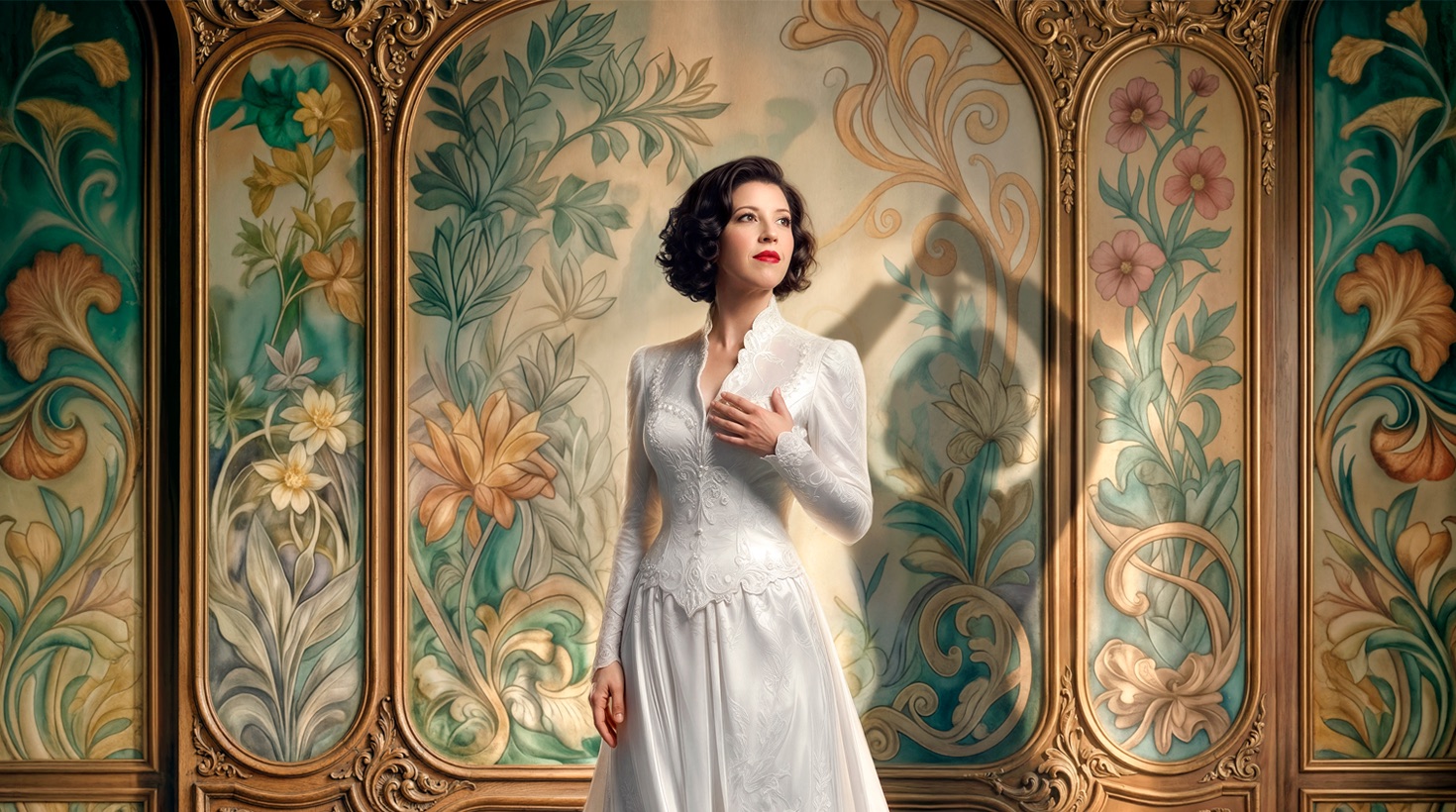

Running underneath all of it is the 58th Barcelona Jazz Festival, which takes over the Palau and half the city from late September to Christmas: Zucchero on 29 September, Michel Camilo on 16 October, Andrea Motis with Yamandu Costa on 21 October, Branford Marsalis and Dianne Reeves celebrating Coltrane on 3 November, and Samara Joy, the most talked-about voice in jazz, on the 13th.
Palau Sant Jordi & Sant Jordi Club
The arena on Montjuïc carries the other half of the season. The Strokes (20 October) and Morat (16 – 17 October) have already sold out; Deep Purple, Niall Horan, Jungle, Jorge Drexler, Pitbull and Bryan Adams have not, at least not yet. And in the theatres along the Paral·lel and the Eixample, the winter musicals settle in for their long runs: Mamma mia! at the Tívoli from 26 September, El Mago Pop at the Victòria from 14 October, and Los chicos del coro at the Apolo from 26 November.
The Autumn Table
Catalonia measures its year in what is on the table, and autumn is the richest reading of it.
September is the verema, the grape harvest, and it happens half an hour from Sitges. The Penedès is the largest wine region in Catalonia and the home of cava: Vilafranca del Penedès and Sant Sadurní d'Anoia are a short drive inland, and through the autumn the cellars open, the new wine is tasted and every village between them has something on. Clients are often surprised by this. Cava country is not a day trip from the Garraf coast. It is the next valley.
October belongs to the bolets. Wild mushroom season is close to a national sport here: families disappear into the woods of the Garraf and the Montseny at dawn with wicker baskets and a level of secrecy usually reserved for inheritance, and by lunchtime every restaurant menu in Catalonia has changed. If you are offered a location for rovellons, understand that you have been paid a considerable compliment.
The month ends with la Castanyada, which is not Halloween whatever the shop windows suggest. On 31 October and 1 November, chestnuts and sweet potatoes roast on braziers in the street, families eat panellets, marzipan and pine nut sweets made for exactly this week, with a glass of moscatell, and then visit the cemetery. It is a warmer occasion than it sounds.
December: The Calendar Catalans Keep
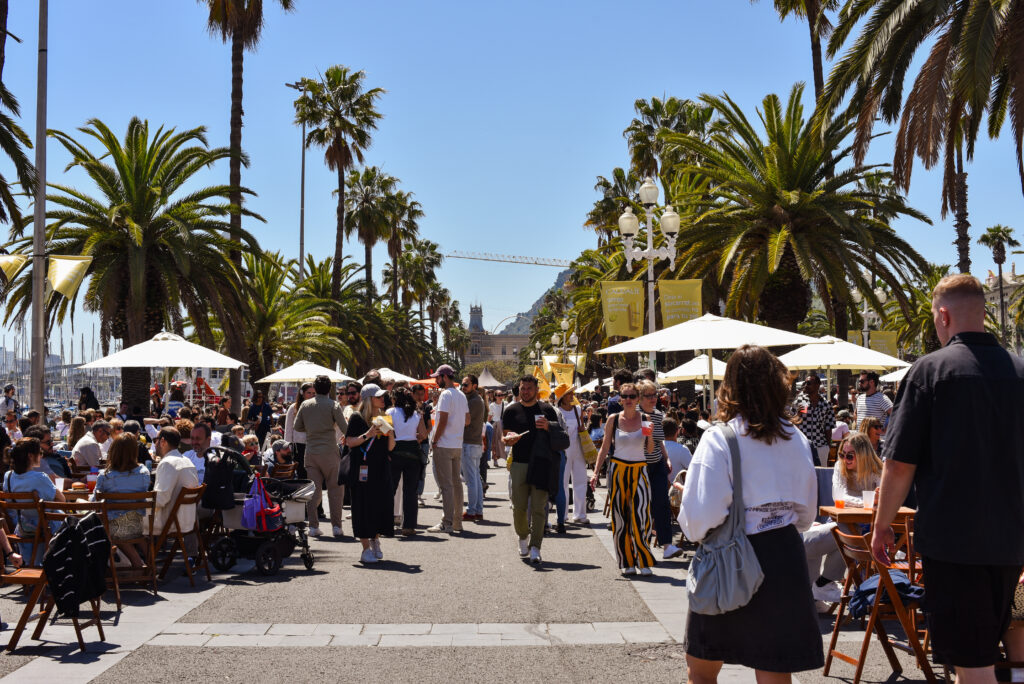
Christmas here is its own thing, and it begins at the Fira de Santa Llúcia, the cathedral market that has run since the eighteenth century. This is where you buy the tió, the log that children feed for a fortnight and then beat with sticks on Christmas Eve until it produces presents, and the caganer, the small squatting figure that goes discreetly at the back of every nativity scene in the country. Neither is a joke, and both are taken extremely seriously.
The music turns festive without turning trivial. The Nutcracker comes to the Liceu with the Badisches Staatsballett Karlsruhe (8 – 12 December). Handel's Messiahappears twice at the Palau (with Emmanuelle Haïm's Le Concert d'Astrée on 9 December, and the RIAS Kammerchor on the 16th), and Collegium Vocale Gent bring Bach's Christmas Oratorio under Philippe Herreweghe on the 18th.
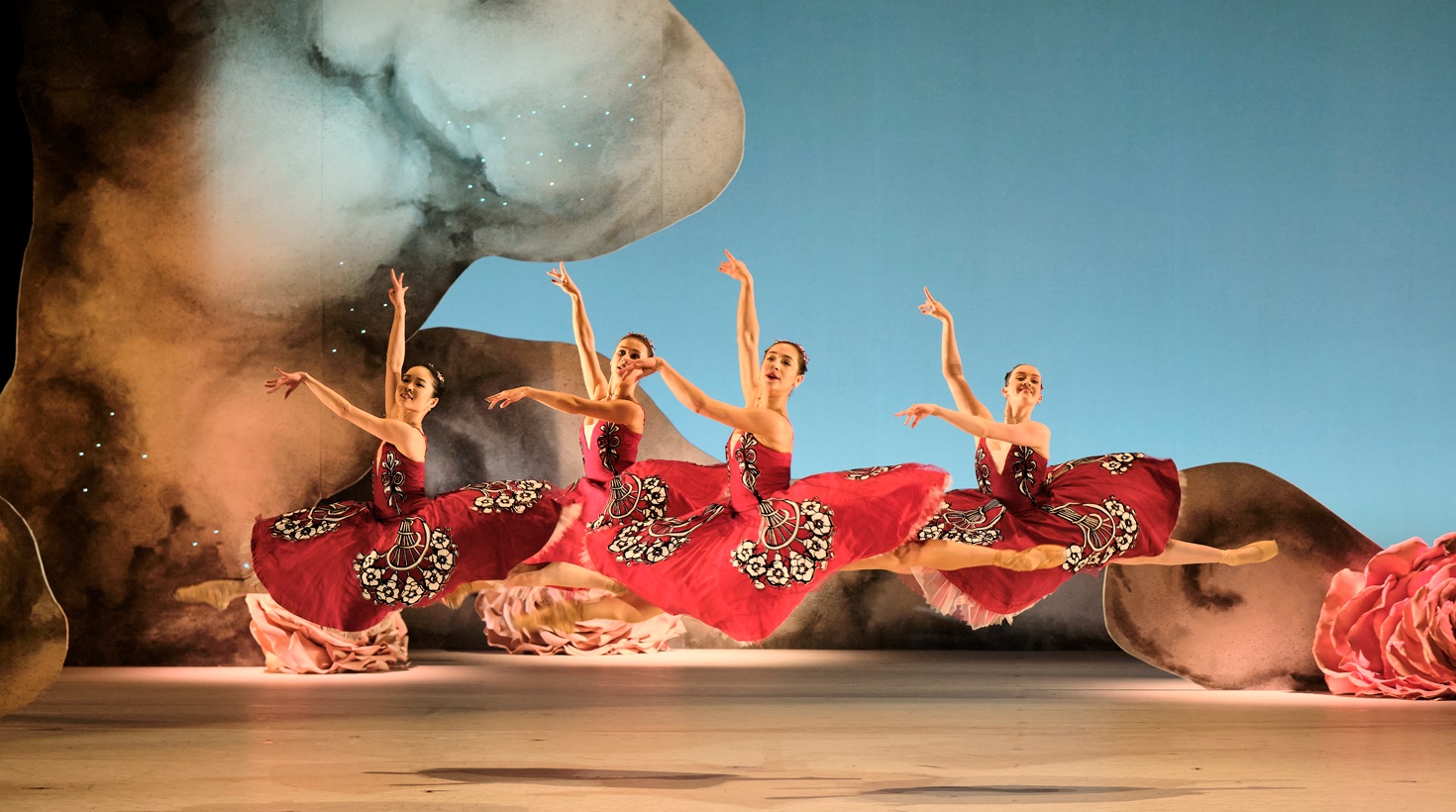
Then two dates that are purely Catalan. On 26 December (Sant Esteve, a full public holiday here, and the day the leftover canelons are eaten), the choirs of the Orfeó Català sing their traditional concert at the Palau, as they have for generations. And the Liceu closes the year by opening La bohème on 30 December, which is one way to spend the last week of it.
What September Brings to the Market
There is one more thing about autumn on this coast, and it has nothing to do with the programme above. It is the most useful piece of market intelligence we can give anyone watching Sitges or the Garraf: September is when the market restocks.
The reason is simple and entirely human. August is when families are actually in the house, often all of them together and often for the first time in a year. That is when the conversation happens. The children have grown out of it and stopped coming. The stairs have become a problem. Nobody swam in the pool. An inheritance needs settling and, for once, everybody is in the same room to agree what to do. Whatever the reason, the decision gets made over the summer, and the instruction arrives in September.
So the first weeks of autumn bring the freshest stock of the year to the market, and for a short window the best of it is still unpicked. By late November, most of what appeared in September has been seen by everyone who is actively looking. The advantage belongs to whoever is ready early.
Autumn also happens to show a house truthfully. In August everything looks good. Once the sun sits lower you can see how the light really enters the rooms, whether the terrace is usable in late October, and what the street sounds like on a Tuesday when the holiday lets are empty and the neighbours are back at work. On this coast that last question matters enormously, and the answer changes street by street.
None of which means we keep a season. We show properties all year and at whatever hour suits the person buying: evenings after work, Saturdays, Sundays, and through August as well. Arranging a viewing around a flight, a school run or a working day is simply the job.
What we would say is this: if you are watching this market, make sure we can reach you in September. That is when the new instructions land.

Dates and programmes are those published by the venues at the time of writing, 23 August 2026. Programmes change; confirm with the venue before travelling.